Most EV owners face “charging anxiety” at some point: you’re in a rush and want a fast charge, but you’re worried about killing your battery health. On the flip side, slow charging is great for the battery, but it takes forever and can throw a wrench in your plans.
So, which is actually better? Does fast charging really “shorten” your battery’s life? Today, we’re breaking it down in plain English—from how it works to the best charging habits—so you can keep your car running efficiently without the stress.
1. The Basics: It’s Not Just About Speed
Many people think the only difference is time. In reality, the core differences lie in the physics and the use case:
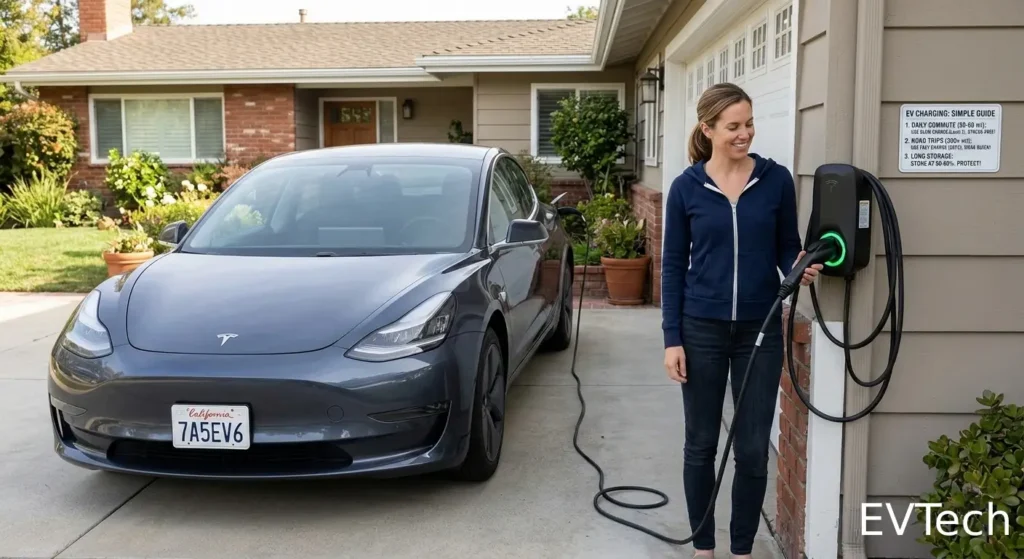
- Slow Charging (AC Charging): The “Slow and Steady” Approach Commonly known as Level 2 charging (like your home Wallbox), these typically run at 3.3kW to 7kW. Think of it like filling a pool with a garden hose—it’s gentle and steady. A full charge usually takes 6–10 hours. Plug it in before bed, and you’re at 100% by morning.
- Pros: Minimal heat buildup, which is much easier on the battery cells. It extends long-term battery life and is significantly cheaper (especially if you have off-peak electricity rates).
- Cons: Way too slow for road trips or emergencies.
- Fast Charging (DC Fast Charging): The “Power Wash” Method These range from 50kW to 350kW (Superchargers). It’s like using a fire hose to fill that same pool. You can go from 30% to 80% in about 30–60 minutes.
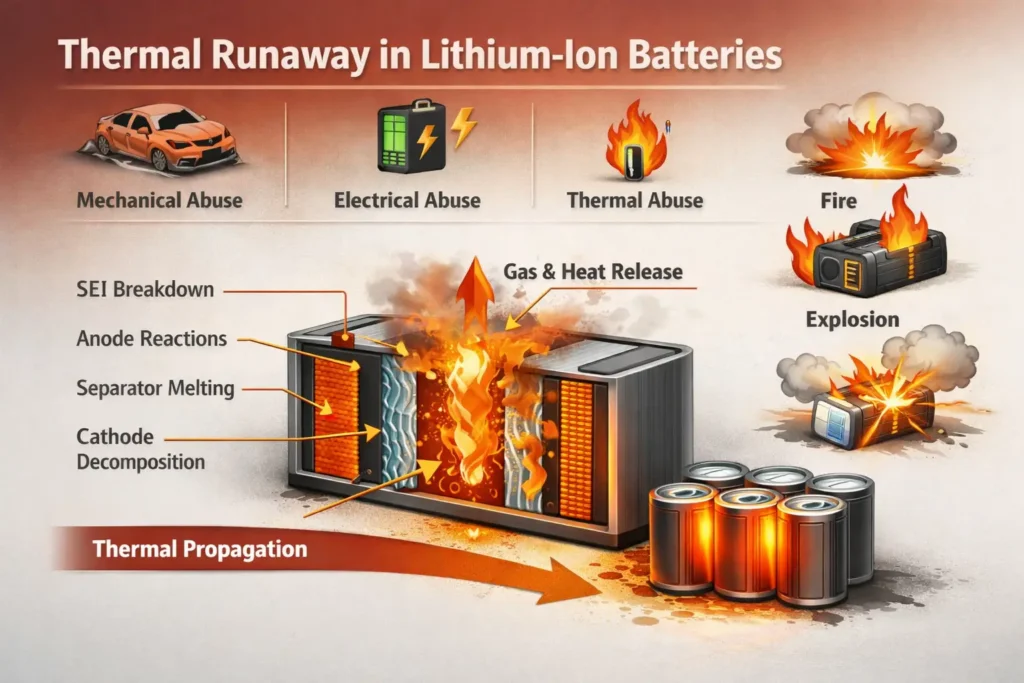
- The Catch: It’s not fast the whole time. Most EVs throttle the speed once you hit 80% to protect the battery from overheating.
- Pros: High efficiency for long trips.
- Cons: Generates more heat, which can lead to faster battery degradation if used exclusively every single day. It’s also much more expensive than charging at home.
2. Three Scenarios: How to Choose Like a Pro
There is no “perfect” way to charge; it’s all about your specific situation. Here’s a simple cheat sheet:
Scenario A: The Daily Commute (30–60 miles/day)
- The Move: Prioritize Slow Charging.
- If you only use 20–30% of your battery a day, plug in at home at night. Use those low overnight utility rates. If you forget to plug in and need a quick boost the next morning, a 20-minute fast charge to get you through the day won’t hurt anything.
Scenario B: The Road Trip (300+ miles)
- The Move: Fast Charge for Speed, Slow Charge for Breaks.
- Pro Tip: Don’t wait until you’re at 5%. Batteries get stressed when they are nearly empty. Aim to find a charger when you hit 20% and stop at 80%. Going from 80% to 100% at a fast charger is a waste of time and money because the speed drops significantly.
- Example: On a trip from LA to Vegas, I fast-charge to 80%, grab a coffee, and I’m back on the road in 30 mins.
Scenario C: Long-Term Storage (Away for 1 week+)
- The Move: Store at 50–60%, Never at 100%.
- Leaving a battery “sitting” at 100% creates high internal pressure. Similarly, leaving it at 5% risks “bricking” the battery if it drains completely. Keep it in the “sweet spot” (around 50%) while you’re away.
3. Myth-Busting: Don’t Fall for These 3 Lies
- “Fast charging will cut your battery life in half.” FALSE. Modern EVs have advanced BMS (Battery Management Systems) that act like a bodyguard, slowing down the current if things get too hot. As long as you aren’t fast-charging to 100% every single day, the impact on longevity is negligible.
- “You must always slow-charge to 100%.” NOT TRUE. For daily driving, keeping your battery between 20% and 80% is actually the healthiest “exercise” for the lithium-ion cells. Save the 100% charge for the night before a long trip.
- “Home chargers can’t be fast.” IT DEPENDS. While standard home outlets are slow, you can install a 48-amp Level 2 charger (requires a 240V circuit, like a dryer outlet) that can fully charge most EVs overnight.
4. Two Habits for a Longer Battery Life
- Avoid “Deep Discharge”: Try not to let your car drop below 10–15% regularly. Think of it like your own stomach—don’t wait until you’re starving to eat!
- Turn off the AC while Fast Charging: Using the heater or AC while fast-charging adds extra load and heat to the system. If it’s a nice day, crack the windows and give the battery a break while it juices up.
What’s your charging routine? Do you swear by your home setup, or are you a Supercharger regular? Have you noticed your charging speed “tanking” lately? Let’s talk in the comments!