From Combustion to Code: Why the VCU is the New Heart of the Modern Vehicle
For nearly a century, the Engine Control Unit (ECU) was the undisputed king of automotive silicon. Its job was a masterpiece of chemistry and physics: timing fuel injectors and spark plugs to turn explosions into motion.
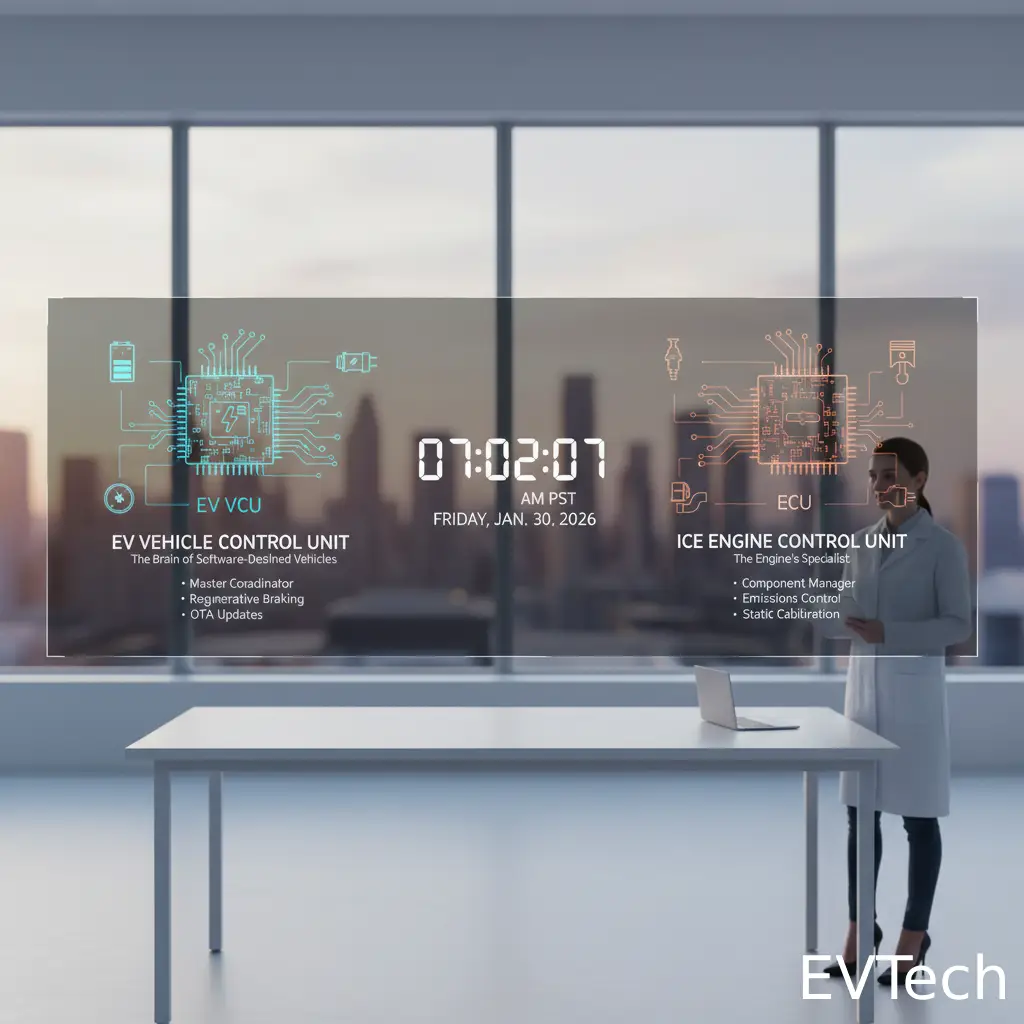
But as we enter 2026, the throne has shifted. In the world of Electric Vehicles (EVs) and Software-Defined Vehicles (SDVs), the Vehicle Control Unit (VCU) has emerged as the true “brain” of the machine.
If you’re wondering why we can’t just use an ECU for an EV, or why the industry is obsessed with centralized control, here is the technical breakdown of the shift from the ICE ECU to the modern VCU.
The Philosophy: Component Manager vs. System Orchestrator
The traditional ICE ECU is essentially a specialist. It focuses on the internal combustion process—balancing the air-fuel ratio, managing emissions, and ensuring the pistons don’t melt. It’s a “Component Manager.”
In contrast, the VCU is a “System Orchestrator.” In an EV, there is no single “engine.” Instead, you have a high-voltage battery (BMS), an inverter/motor (MCU), a thermal system, and a charging interface. The VCU sits above all of them, making high-level decisions to ensure they all play in harmony.
Top 3 Technical Differentiators
1. Torque Control: Milliseconds Matter
In an ICE vehicle, torque is requested via a throttle cable or “drive-by-wire” that adjusts air intake—a process limited by physical air movement. In an EV, torque is instantaneous.
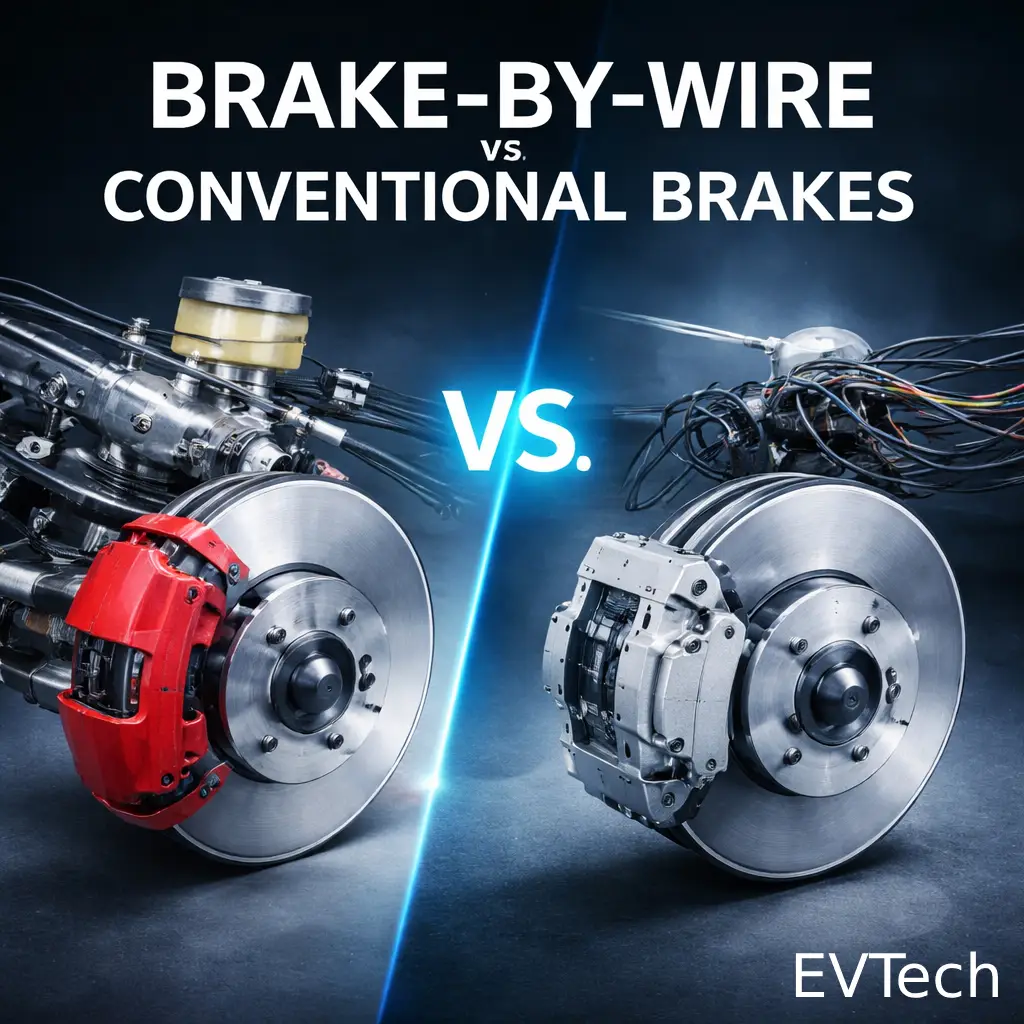
- The VCU Difference: The VCU calculates torque demand thousands of times per second and coordinates with the Motor Control Unit (MCU) to deliver it. It also manages Regenerative Braking, deciding instantly how much “braking” should come from the motor (recovering energy) versus the traditional friction brakes.
2. The High-Voltage “Handshake”
An ICE ECU deals mostly with 12V systems. A VCU, however, is the gatekeeper for 400V or 800V systems.
- Safety First: Before the car even moves, the VCU performs a complex safety “handshake.” It checks for isolation faults, manages pre-charge resistors to prevent arcing, and commands the high-voltage contactors to close. If it detects a crash, it’s the VCU that triggers the pyrotechnic fuse to instantly isolate the battery.
3. Thermal Strategy: The Global View
In a gas car, the cooling system is simple: keep the engine from overheating. In an EV, the VCU manages a complex thermal web.
- Optimization: It must decide if waste heat from the motor should be used to warm a cold battery, or if the AC compressor should be diverted to cool the power electronics during a DC fast-charge session.
VCU vs. ECU: At a Glance
| Feature | ICE ECU | Modern EV VCU |
| Logic Core | Combustion & Emissions | Energy Flow & Efficiency |
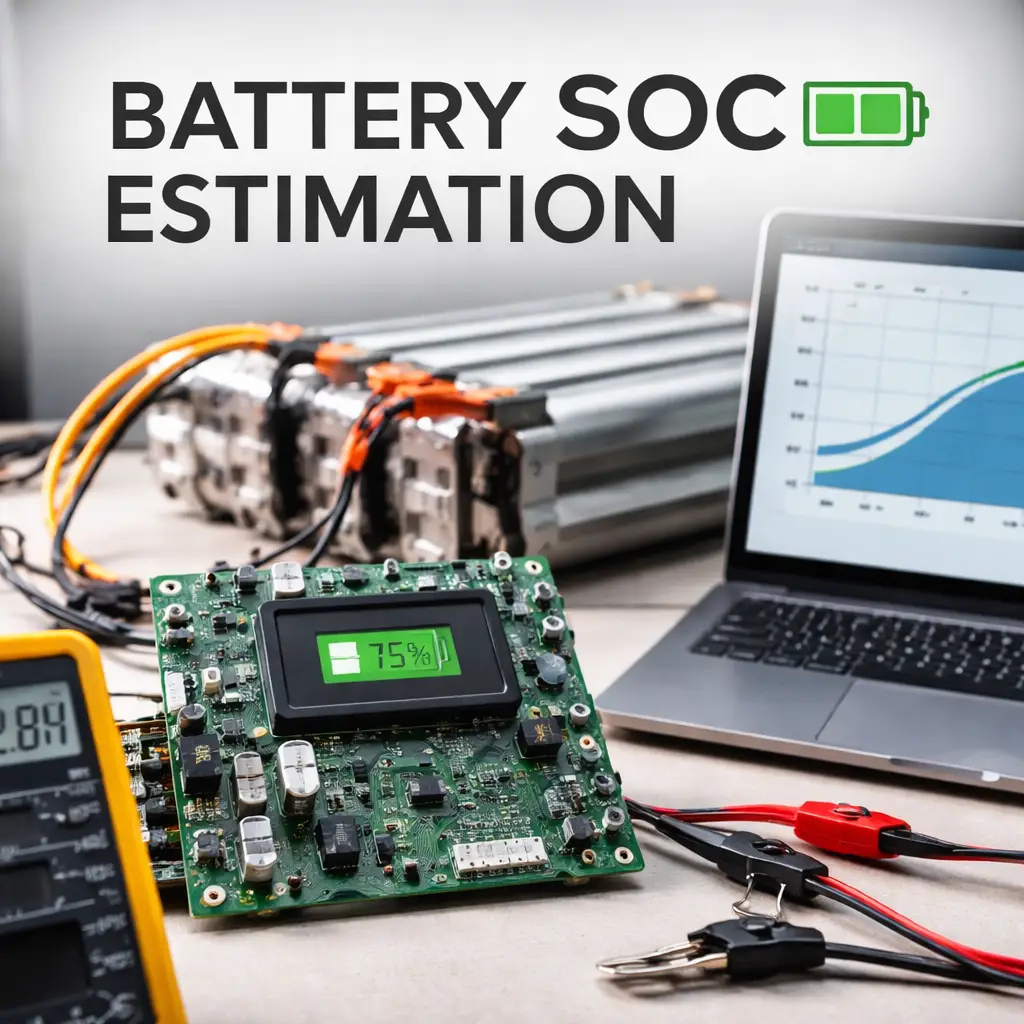
| Primary Input | Oxygen/Knock Sensors | Battery SoC / Driver Intent |
| Response Time | Limited by Airflow (Deciseconds) | Limited by Silicon (Milliseconds) |
| Energy Strategy | Burn fuel efficiently | Recover energy via Regen |
| Updateability | Rarely updated (Static) | OTA-Ready (Dynamic) |
The 2026 Outlook: Software-Defined Everything
The biggest reason the VCU is winning is Software-Defined Architecture. In the US market, consumers now expect their cars to get better over time.
Because the VCU is the master gateway, a single Over-the-Air (OTA) update can recalibrate the entire driving experience—adding five miles of range through better energy management or shaving 0.2 seconds off a 0–60 mph time. A traditional ECU simply wasn’t designed for that level of flexible, centralized intelligence.
The Bottom Line
The ICE ECU was a marvel of the mechanical age. The VCU is the foundation of the digital one. As we move toward autonomous driving and V2X (Vehicle-to-Everything) communication, the VCU isn’t just a part of the car—it is the car.