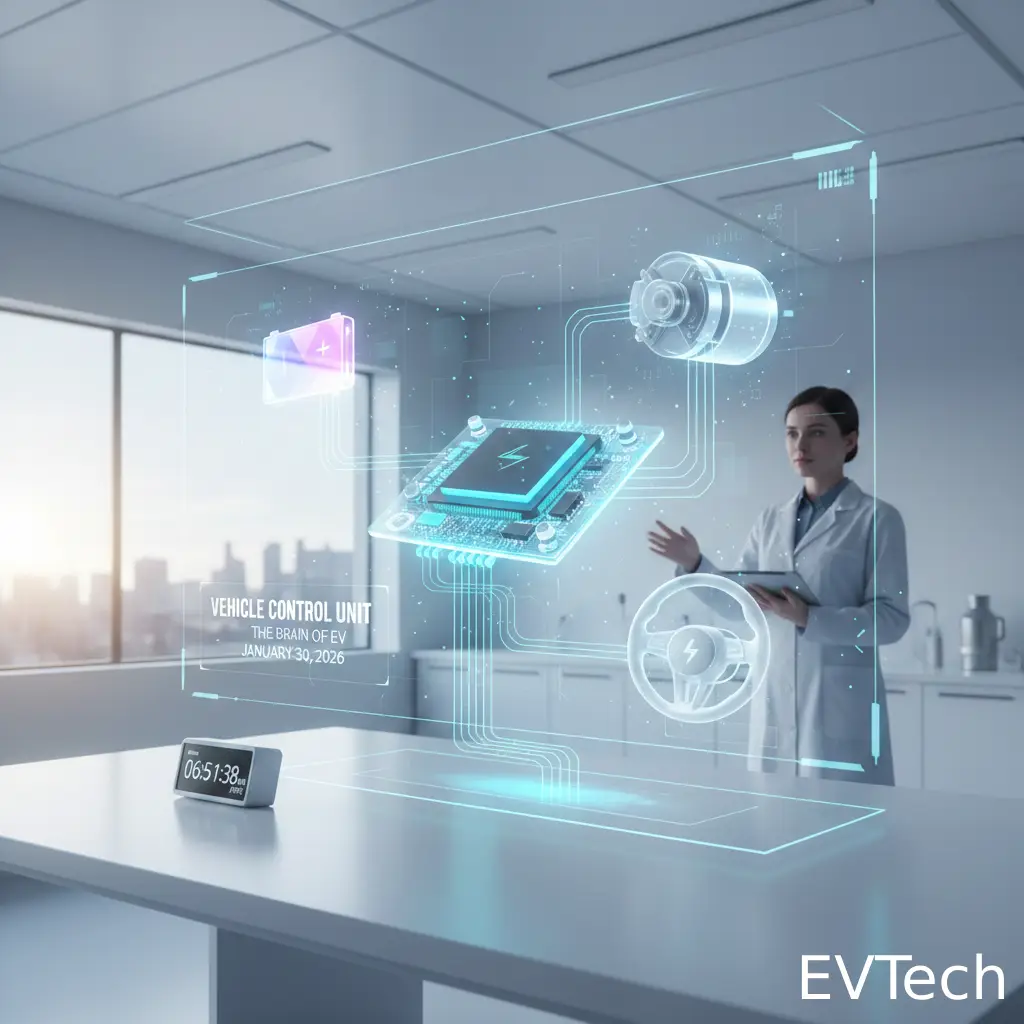
The Vehicle Control Unit (VCU) serves as the “brain” of an electric or hybrid vehicle. It coordinates the powertrain components to ensure efficiency, safety, and a smooth driving experience. Below are its ten primary responsibilities:
1. Drive Control (Torque Management)
The VCU interprets the driver’s intent by analyzing inputs like accelerator and brake pedal positions. It then calculates the precise torque demand and sends commands to the motor controller to propel the vehicle.
2. Braking Energy Regeneration
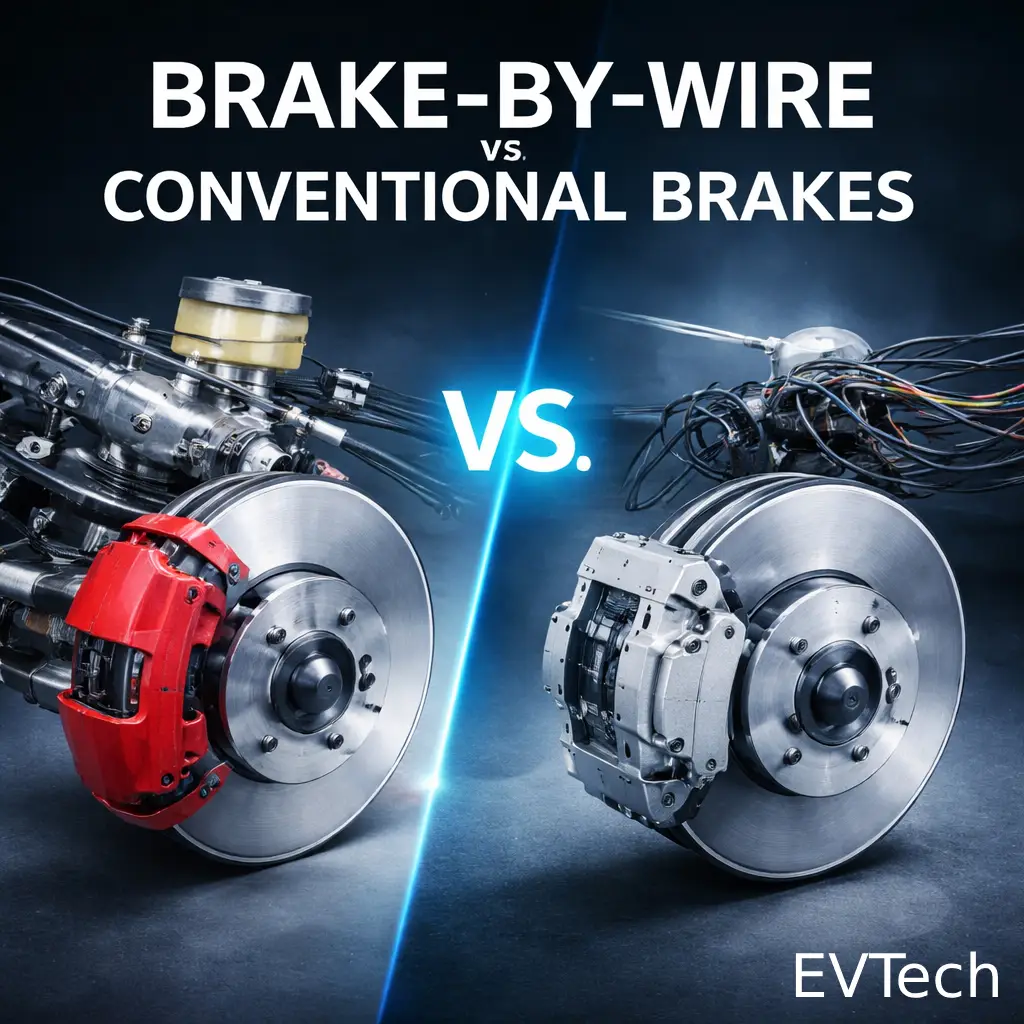
When the driver lifts off the accelerator or hits the brakes, the VCU manages regenerative braking. It coordinates between the hydraulic brakes and the motor to recover kinetic energy and feed it back into the battery, extending the vehicle’s range.
3. Energy Management and Optimization
The VCU acts as the master coordinator for energy flow. It balances the power demands of the drivetrain with auxiliary systems (like the AC or heater) to maximize overall vehicle efficiency and battery life.
4. High-Voltage Coordination (Power-Up/Down)
The VCU manages the complex “handshake” required to safely energize and de-energize the high-voltage system. It controls the pre-charge process and contactors to prevent electrical surges or hazards.
5. Vehicle State Monitoring & Diagnostics
Constantly “listening” to the vehicle’s sensors, the VCU monitors the status of all major subsystems. If it detects an anomaly, it logs a fault code (DTC) and alerts the driver via the dashboard.
6. Thermal Management Coordination
While the battery and motor have their own cooling needs, the VCU oversees the entire thermal strategy. It manages pumps and fans to ensure all components stay within their optimal operating temperature ranges.
7. Communication Gateway (CAN Bus Management)
The VCU acts as a central hub, managing data traffic between various Electronic Control Units (ECUs) via the CAN bus. It ensures that the battery, motor, and cabin electronics are all “talking” to each other in real-time.
8. Safety Logic and Fail-Safe Modes
In the event of a component failure, the VCU executes safety protocols. This includes “Limp Home” modes—where power is restricted to keep the car drivable—or triggering an immediate high-voltage disconnect during a crash.
9. Accessories and Auxiliary Control
The VCU manages power distribution to low-voltage systems (12V) and high-voltage accessories, ensuring that components like the DC-DC converter and air conditioning compressor operate efficiently.
10. External Interface (Charging and V2G)
During charging, the VCU communicates with the Charging Station (EVSE) to manage the handshake and monitor the charging process. It also facilitates advanced features like Vehicle-to-Grid (V2G) or Vehicle-to-Load (V2L) capabilities.